





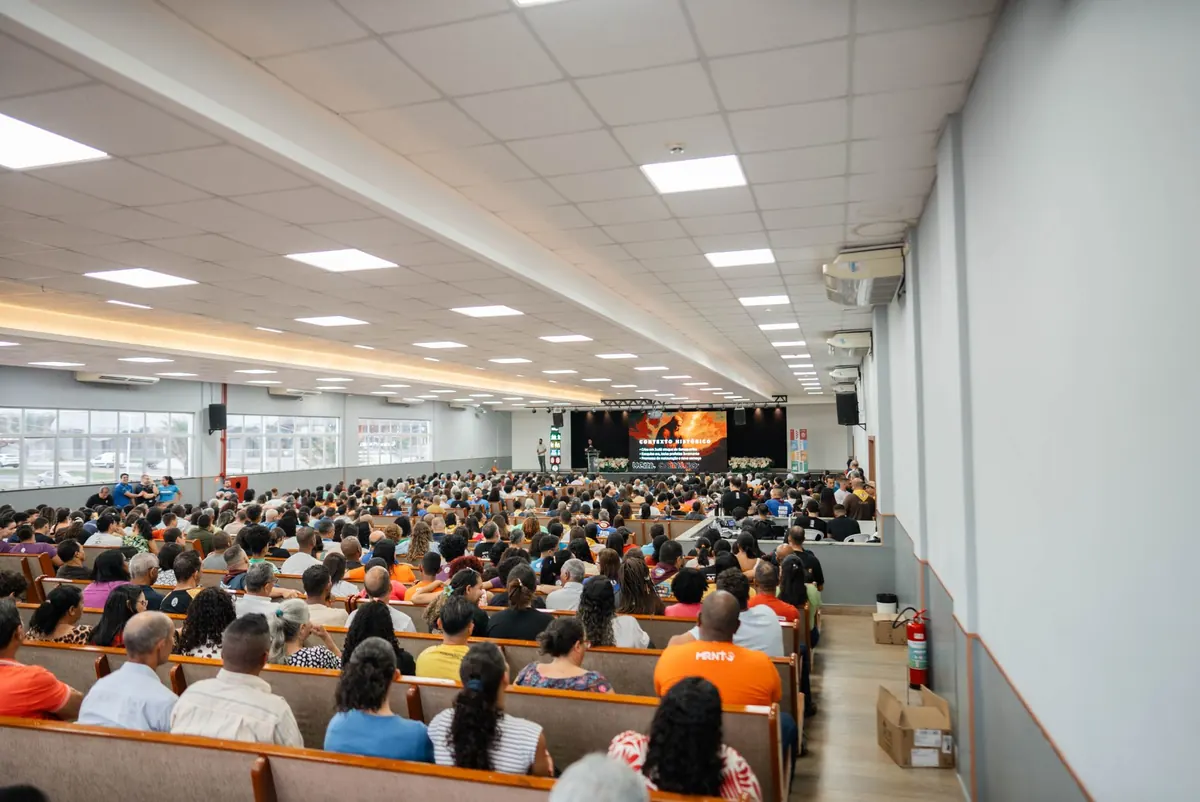
Most people encounter their local council the way they encounter a fire alarm: suddenly, and at volume. A planning notice lands on the doormat, a road closes for six months, a neighbour mentions that the library hours are being cut. By then the decision is often three meetings old. The antidote is unglamorous. Council meetings are public, they run on a fixed script, and the paperwork is published in advance. Once you know where the agenda lives and which parts of it matter, an evening in the public gallery stops feeling like a foreign film without subtitles. What follows is a working method, not a civics lecture.
Find the agenda before you find the room
Start on the council's own website and look for a tab labelled Government, Council, Agendas and Minutes, or Clerk. Small municipalities sometimes bury the archive in a folder called Documents, two clicks deeper than you would expect. Bookmark the page that lists meetings rather than the one that lists decisions; you want the forward-looking view.
Most councils publish agendas several days ahead of the meeting, and many are required to by local transparency rules. Subscribe to whatever notification service they offer, even if it is only a weekly email digest. It is the difference between hearing about a rezoning in time to speak and hearing about it after the vote.
Then look for the companion document. Agendas usually travel with a packet — staff reports, contracts, budgets, correspondence — and that packet is where the plain-English explanation lives. You rarely need all two hundred pages. Read the two or three page staff report for the item you care about, note the recommendation and the cost, and skip the appendices unless something looks strange.
Read the agenda in ten minutes
Almost every council follows the same skeleton: call to order, roll call, approval of the agenda, public comment, consent items, old business, new business, reports, and possibly a closed session before adjournment. Knowing the skeleton lets you skim.
The consent agenda is where the interesting accidents happen. It is a bundle of routine items — minutes, small contracts, licence renewals — approved in a single vote without discussion. Most of it is genuinely routine. Occasionally it is not, and a resident who has read the packet can ask for one item to be pulled and discussed separately. That request is normal and usually granted.
Watch the verbs in each line. They tell you whether anything will actually happen:
- Receive and file — a report is noted. No decision, no debate worth attending for.
- Discussion and possible action — the real thing. This is where votes land.
- Public hearing — the council is legally obliged to take comment, often on planning, licensing or fees. Show up for these.
- Authorise the manager to execute — money is being committed, usually with an amount attached.
- First reading / second reading — a proposed local law moving through stages. The second reading is often when it passes.
Minutes record decisions, not arguments
Minutes are the official memory of the meeting, and the most common misunderstanding about them is that they will tell you what was said. They usually will not. Good minutes capture the item, the motion, who moved it, who seconded, the vote count, and any direction given to staff. Speeches and exchanges are compressed or absent.
Two practical consequences follow. First, check whether you are reading draft or approved minutes — drafts are typically confirmed at the following meeting and can change slightly. Second, if you want the argument rather than the outcome, find the recording. Many councils now stream meetings and keep archives, and some publish time stamps next to each agenda item so you can jump straight to the relevant twenty minutes.
Read minutes in pairs. The minutes of the meeting where something was approved, and the minutes three months later where staff report back, together tell you whether a decision actually did anything.
The vocabulary that trips people up
Council procedure has its own dialect. A short glossary covers most of it:
- Quorum — the minimum number of members needed to do business. Without it, nothing counts.
- Motion, second, carried — a proposal, the member who backs it so it can be debated, and the vote that approves it.
- Tabled — postponed, sometimes indefinitely. Frequently confused with "on the table", which in some settings means the opposite.
- Referred to committee — delayed and sent for detailed scrutiny. A quiet way for an item to slow down.
- Ordinance or bylaw vs resolution — the first is a standing local law; the second is usually a one-off decision.
- Closed or executive session — a private session for narrow categories such as personnel, litigation or property negotiations. The council must generally return to public session to report any action taken.
- Recusal — a member stepping out because of a conflict of interest.
Rules differ from one council to the next, and procedure can be a genuine legal question. If a decision affects your property, your business or your licence, take advice from a qualified local lawyer rather than reconstructing the law from minutes.
Public comment, from both sides of the lectern
Most meetings set aside a slot for residents, usually near the start and sometimes again before a specific hearing. There is often a sign-up sheet, either online or at the door, and a time limit — two or three minutes is common. Check the council's meeting procedure rules in advance; they will state the limit, whether you may speak on items not on the agenda, and whether you can hand in written comments instead.
What works: state your name and street, name the agenda item number, give your position in the first sentence, then give one reason and one concrete request. "I live on Ashcroft Road. I am against item seven. The traffic survey covers weekdays only and the school run is not measured. Please send it back for a weekend count." That is thirty seconds and it is harder to ignore than five minutes of general complaint.
What does not work: reading a long statement aloud, addressing staff rather than the chair, or trying to debate members. Council meetings are not a conversation; they are a record. Bring a one-page written version with your name and the item number and ask the clerk to attach it.
As a listener, keep a notebook and write down the item number, who spoke, and what was decided. Do not rely on memory. The second reading is where you will want it.
Follow the money and the second reading
If you only ever attend one kind of meeting, make it the budget session. Everything else — the park upgrade, the extra enforcement officer, the road repair schedule — flows from it. Budget documents are long, but the summary pages show the shape of the spending, and the gap between requests and available funds is where the real choices are made.
Beyond the budget, two habits pay off. First, watch the vote rather than the speech. A member can sound sympathetic and still vote no. Second, set a reminder for the follow-up meeting. Items approved tonight usually return in a month or a quarter with a contract, a tender result or a progress report.
A routine that survives the winter
Novelty fades; a routine holds. Try this for three months and see what sticks.
- Bookmark the agenda page and the video archive, and subscribe to the agenda email if there is one.
- Once a month, open the next agenda and read only the items with a dollar figure or your postcode in them.
- Read the staff report for the single item that interests you most. Two pages is enough.
- Watch the relevant fifteen minutes of video at double speed. Note the vote.
- Go in person once, for an item you actually care about. Sit near the back, bring the item number, and stay for the whole meeting if you can — the tone of a council is easier to read in the room.
Six hours a year, spread thin, is enough to stop being surprised. The people who speak confidently at the lectern are rarely experts. They have simply read the packet.
Photo: Matheus Amaral / Pexels